
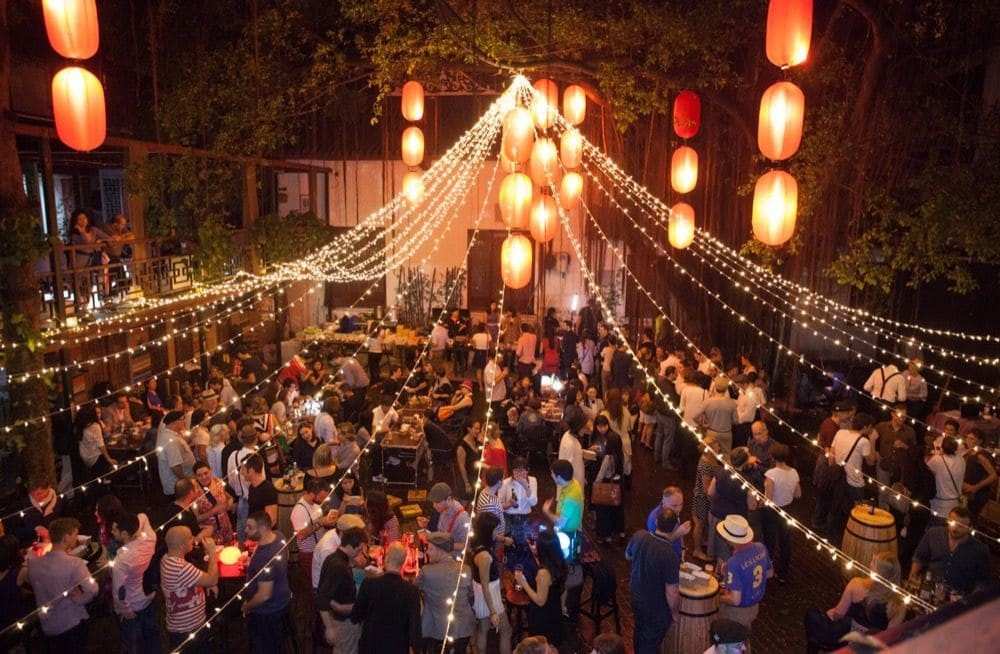
Exhibition events are dynamic platforms that showcase products, services, innovations, and creative ideas to a targeted audience. They are widely used in industries such as trade, art, technology, education, and entertainment to engage potential clients, customers, partners, and stakeholders. In the field of event management, organizing an exhibition requires a combination of creativity, strategic planning, and operational expertise to ensure that exhibitors and visitors have a meaningful and memorable experience.
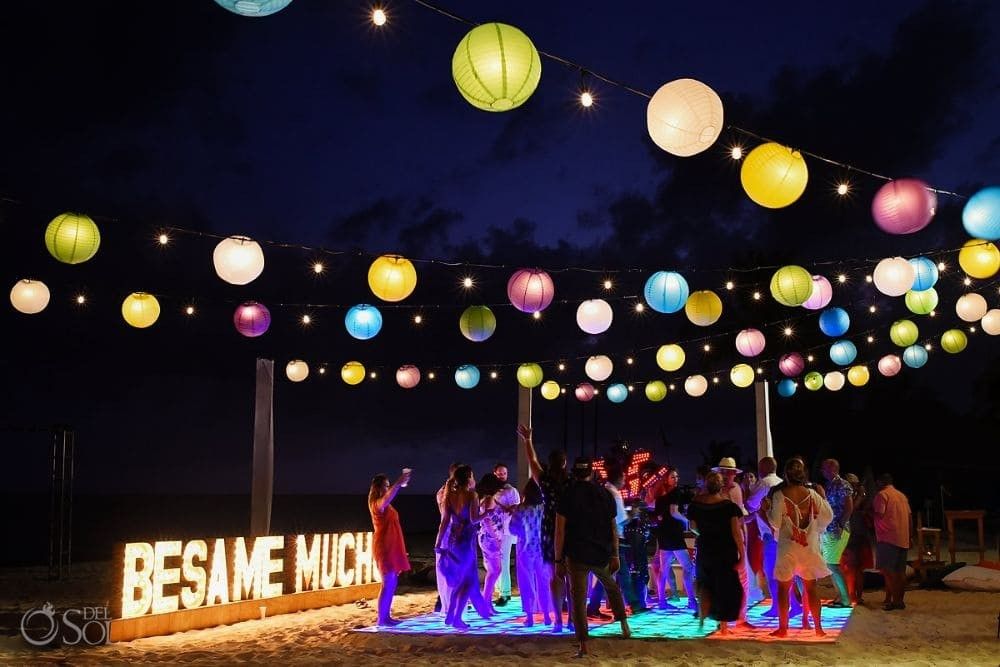
The first step in managing an exhibition is conceptualization and planning. Event organizers must define the objective of the exhibition, its target audience, the type of exhibitors, and the scale of the event. Whether it is a trade show for industrial machinery, an art gallery exhibition, a technology expo, or a consumer product showcase, having a clear concept ensures that every aspect—from floor layout to marketing—aligns with the purpose and goals of the event. Careful planning also includes budgeting, identifying sponsors, and setting measurable outcomes for both organizers and participants.

Venue selection and layout design are critical components of exhibition event management. The venue should be spacious, accessible, and equipped with necessary infrastructure such as electricity, internet connectivity, lighting, and climate control. Organizers design floor plans to ensure smooth visitor flow, optimal visibility for exhibitors, and convenient access to common areas such as registration desks, food courts, and restrooms. Effective layout planning enhances the overall experience and encourages visitors to explore all exhibits.

Exhibitor coordination and logistics management form the backbone of a successful exhibition. Event managers work closely with exhibitors to arrange booth setups, signage, equipment, and promotional materials. Logistics such as shipping, storage, installation, and dismantling of exhibits must be meticulously scheduled. Coordinating with vendors for catering, security, cleaning, and technical support ensures that the event operates efficiently and professionally.
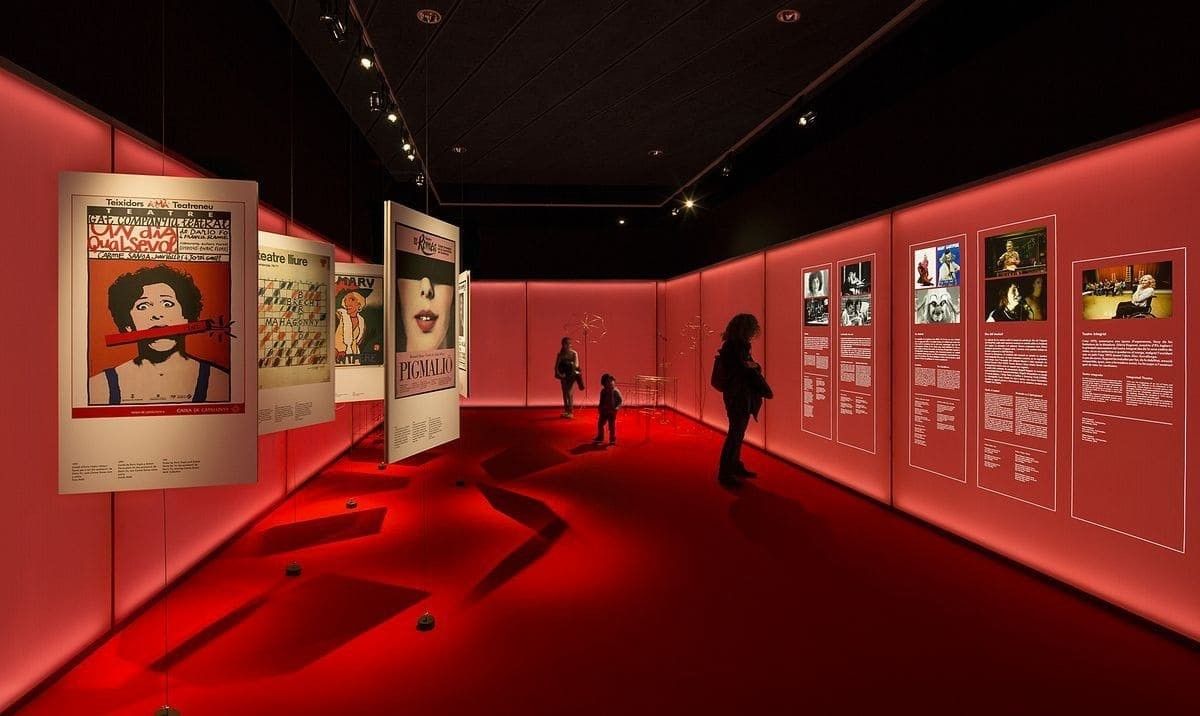
Promotion and marketing are essential to attract both exhibitors and visitors. Event managers utilize social media campaigns, email newsletters, press releases, partnerships with industry organizations, and digital advertising to reach the target audience. Pre-event promotions, interactive invitations, and special offers for early registration help generate interest and boost attendance. Additionally, during the event, on-site engagement activities such as live demonstrations, competitions, and workshops enhance participation and visitor satisfaction.
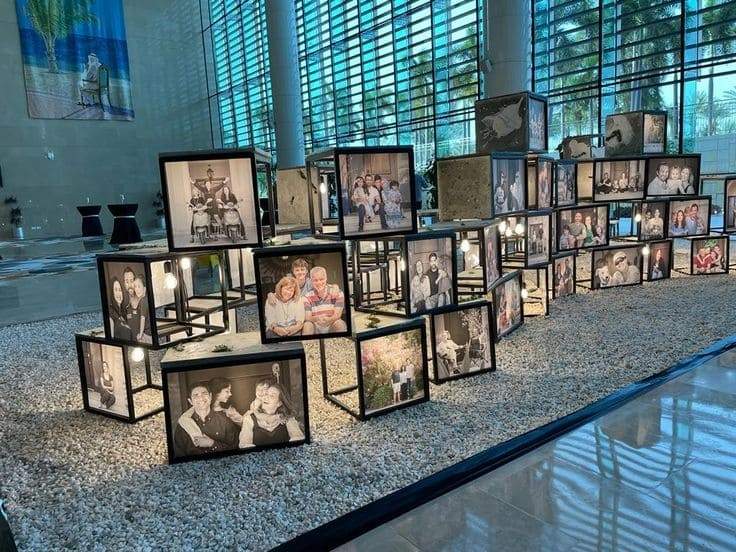
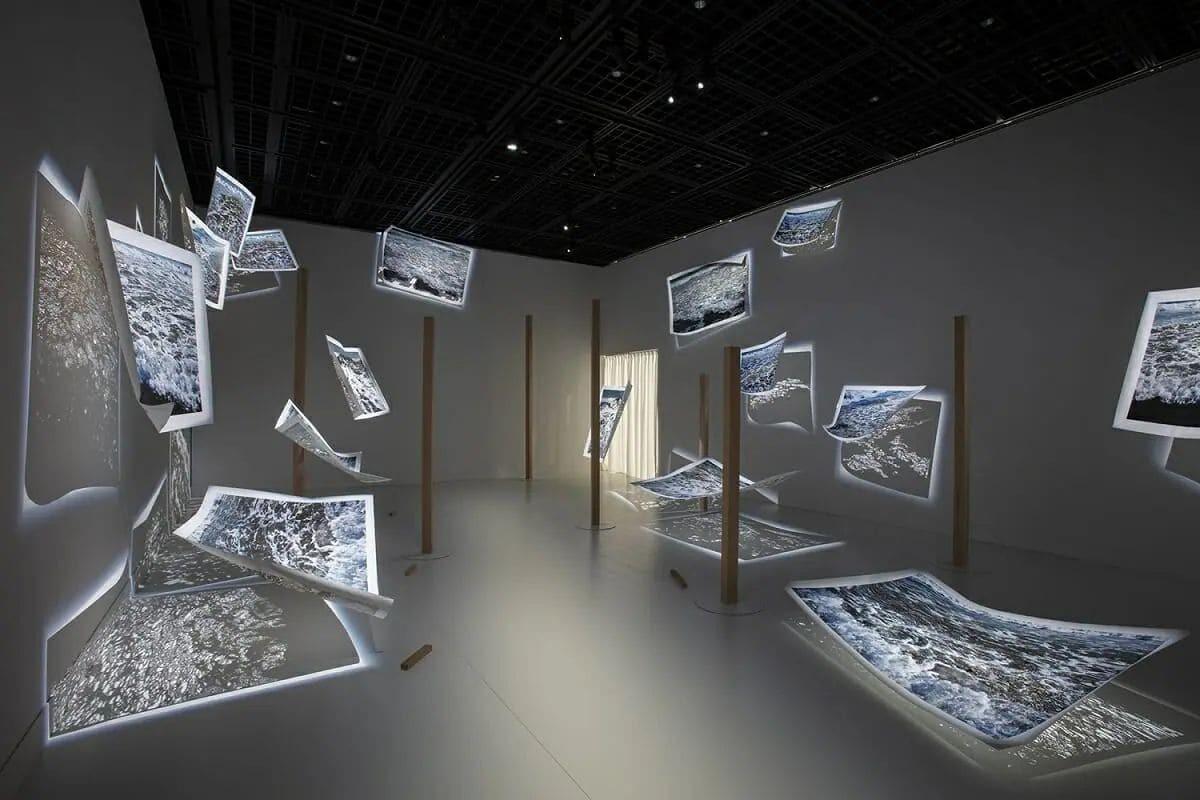
Modern exhibitions increasingly integrate technology and innovation to enhance visitor experience. Digital signage, interactive displays, virtual reality demos, and event apps allow attendees to engage with exhibitors more effectively. Hybrid exhibitions, which combine physical displays with online platforms, allow broader reach and participation from remote audiences. Technology also helps organizers with real-time analytics, attendee tracking, and feedback collection, improving decision-making for current and future events.
Finally, evaluation and feedback are integral to KMK Events’ approach. Gathering insights from participants, volunteers, and speakers helps us refine future events and enhance the overall spiritual experience. A successful spiritual event by KMK Events leaves a lasting impact, fostering mindfulness, devotion, and a deeper sense of connection among attendees.